ActivitiesIce climbing and dry tooling
Steel on rock
Dry tooling lab
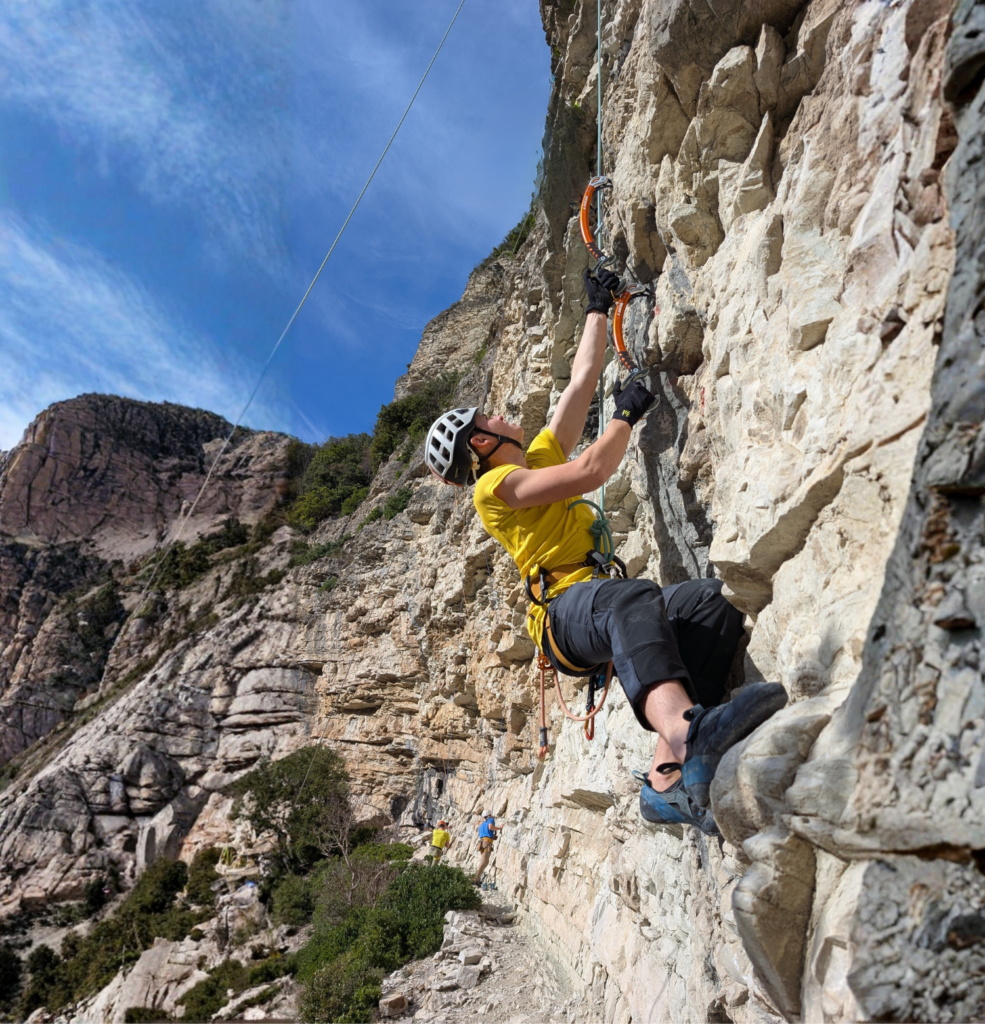
Ice axes and crampons aren’t just for climbing ice. In dry tooling they become tools for moving on rock, seeking placements and torques that call for precision, balance and control.
STEEL ON ROCK is a hands-on one-day lab to discover the fundamental techniques of dry tooling and try a different way of climbing.
From hooking your axe on small edges to placing your feet, through to your first climbs on dedicated routes: a day to get comfortable with the tools, learn to control your movements and get to know what this discipline is all about, under the supervision of the Mountain Guide.
Who it’s for
For anyone who already rock climbs and wants to discover dry tooling, trying out ice axes and crampons on bolted routes.
For anyone with experience on ice who wants to sharpen the precision of their movements and take on climbing techniques for rock and mixed terrain.
You don’t need to have done any dry tooling before.
What you’ll build
During the LAB you’ll learn to:
- Use technical ice axes on rock, recognising where you can hook and torque.
- Place your feet correctly, in crampons or climbing shoes depending on the terrain.
- Coordinate your arm and leg movements, working on balance and body position.
- Recognise and use edges, cracks and slopers to move upwards.
- Pace your effort and make your movements more efficient as you climb.
- Apply safety and belaying procedures during dry tooling exercises.
Prerequisites
You need to be an independent sport climber at the crag, familiar with using a harness and able to belay your partner correctly.
You need to be fit enough for a day of climbing, including on routes that put significant demands on your upper body.
No previous ice climbing or dry tooling experience is required.
How it works
The day begins with an introduction to the equipment and the nature of dry tooling, with particular attention to using the axes, placing your feet and the precautions needed when climbing with metal tools.
The first exercises focus on hooking and torquing the axes on edges, cracks and slopers, distributing your weight and finding your balance.
You then move on to climbing dedicated routes, initially on top rope. Depending on participants’ abilities and the nature of the routes, lead-climbing exercises may also be offered.
As you climb, you work on fluid movement, pacing your effort and safety procedures, with personal feedback and pointers from the Mountain Guide.
The day ends with a debrief on the techniques you’ve tried and the options for taking dry tooling further.
Practical information
Personal equipment
Technical dry tooling or ice axes, monopoint crampons or climbing shoes, depending on the sector chosen.
Climbing helmet, harness, belay device with a screwgate karabiner.
Layered technical clothing that is abrasion-resistant and suited to the day’s conditions, gloves suitable for dry tooling, 25–30 litre rucksack, water or a flask, and a packed lunch.
The final kit list and any hire options will be sent to you before the activity.
The price includes
- Instruction and guiding by the IFMGA/UIAGM Mountain Guide for the day.
- The Mountain Guide’s professional liability insurance.
- Rescue insurance for participants, subject to the policy terms.
- Use of the ropes, quickdraws and shared technical equipment needed for the exercises, provided by the Mountain Guide.
The price does not include
- Personal equipment and any hire costs.
- Participants’ travel, transfers, meals and drinks.
- Travel and food costs for the Mountain Guide and any assistants, shared among the participants.
Organisation and logistics
The Lab takes place over one day, at dedicated dry tooling crags or in sectors of mixed rock and ice terrain.
Possible destinations include Val Travenanzes, Balza della Penna and other suitable sectors, chosen according to the weather, the presence of snow and ice, and teaching needs.
The Mountain Guide will choose the location and routes according to conditions and the group’s level.
The meeting place and time, together with details of any transfers, will be sent to you before the activity.
Deposit, cancellations, weather and insurance: read Terms and information.
More ice climbing and dry tooling activities

First swings
Ice climbing lab, introduction
Two days to work on movement and the core techniques of ice climbing, with practice on real terrain and a focus on managing safety.
Scheduled16–17 January 2027
Beginner-friendly
per person€170
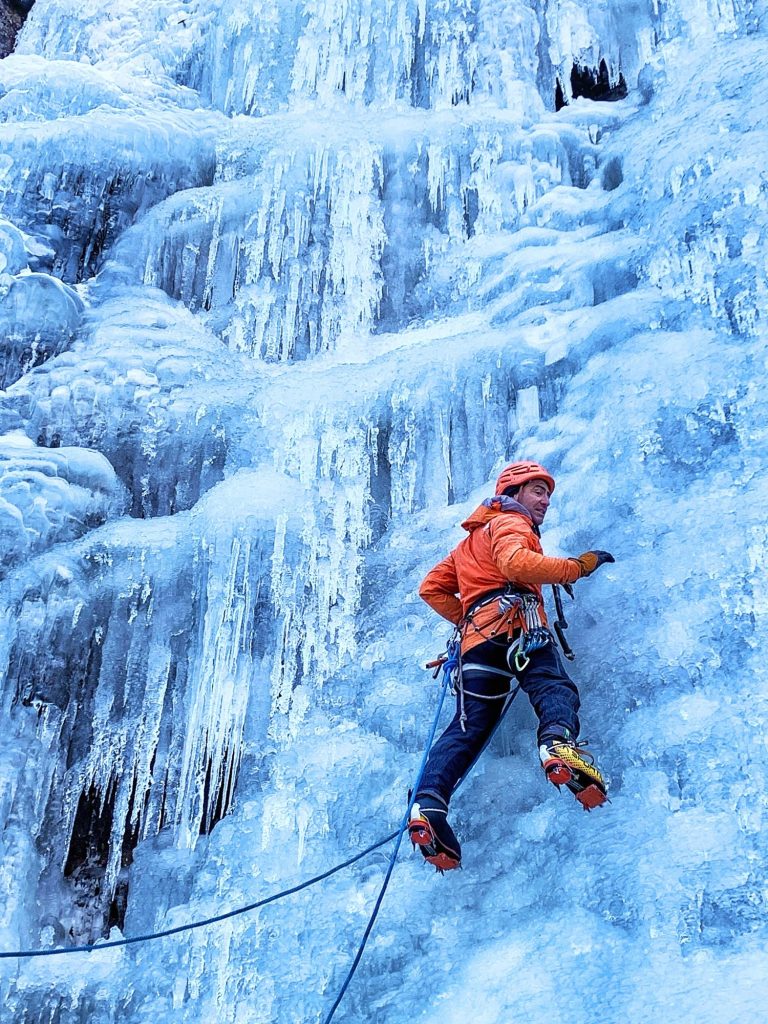
A matter of balance
Ice climbing course, basics
Two days of ice climbing on frozen waterfalls, learning how to place protection and manage the rope team. Designed for those who have completed the introductory LAB or already have equivalent skills.
Scheduled30–31 January 2027
Experience required
per person€190
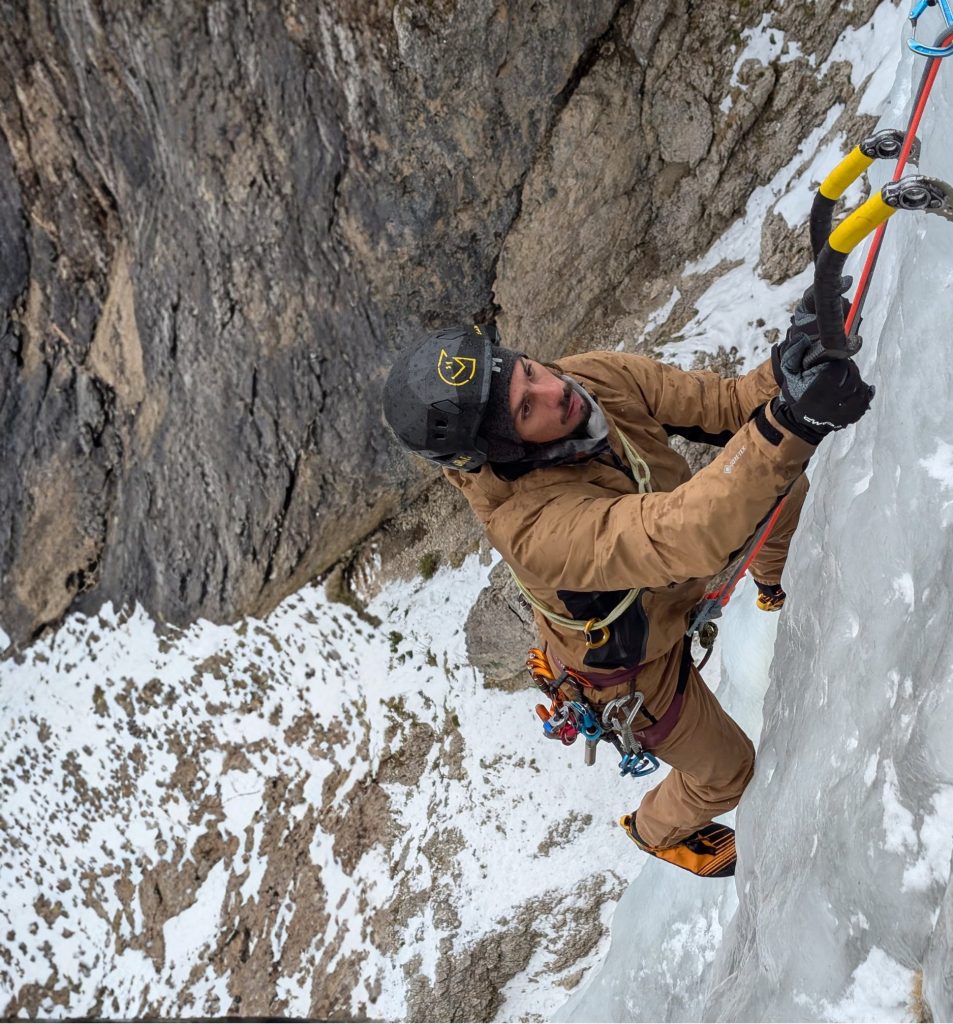
Crystal cathedrals
Multi-pitch ice climbing course
Two days in the mountains working on multi-pitch climbing, belay management and descent techniques.
Scheduled6–7 February 2027
Experience required
per person€500