Basic Ski Touring Course
Leaving the pistes means learning to move on terrain where there are no marked runs to follow, no lifts to rely on and conditions are not always predictable.
The Ski Touring Course, Basics is a three-day programme for those who already have good ski technique and want to start planning and tackling ski touring routes, learning to manage the climb, the descent and the main safety assessments.
From moving on skins to reading the terrain and the avalanche bulletin, from companion rescue exercises to planning a tour: theory and practice alternate until you put the skills you’ve gained together on a tour in the mountains.
Who it’s for
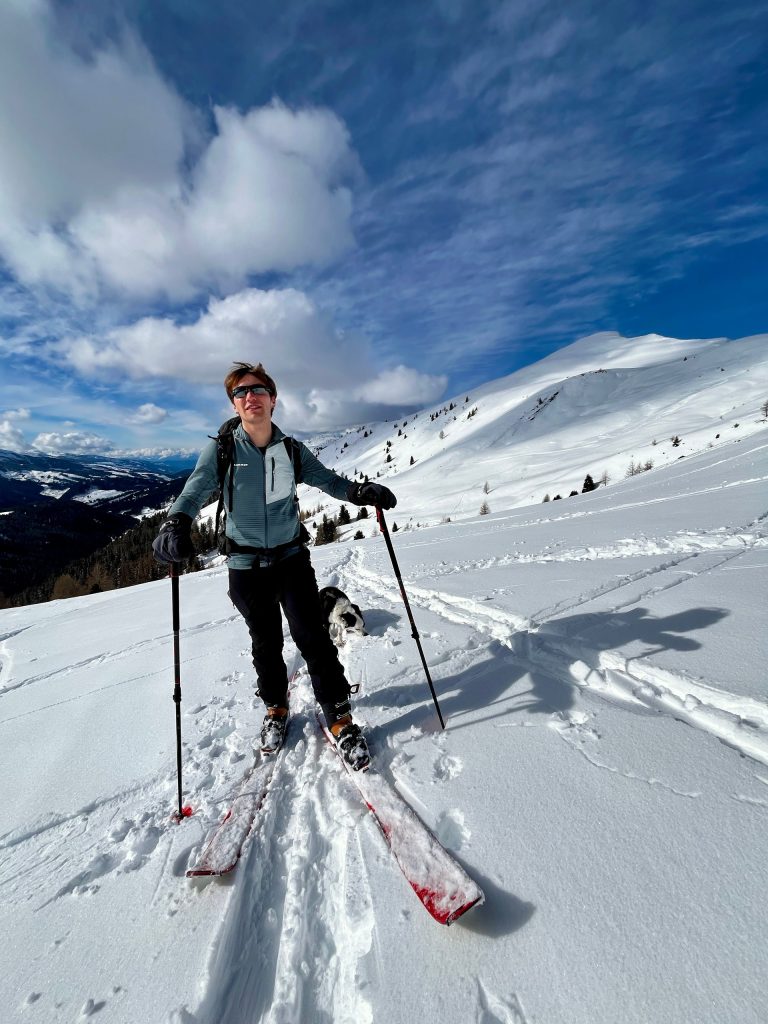
For skiers who have already tried off-piste skiing, or have taken an introductory activity such as First steps on skins, and want to get into ski touring through a structured training path.
For anyone who wants to go beyond ski technique alone and learn to assess a route, use the equipment correctly and take an informed part in the decisions of their rope team or group.
What you’ll build
During the course you’ll learn to:
- Use ski touring equipment, handling skins, bindings, boots and transitions.
- Improve your uphill technique, from choosing the skin track to managing your pace, through to kick turns on steeper slopes.
- Read the avalanche bulletin and recognise the features of the terrain and snowpack to consider when choosing a route.
- Use an avalanche transceiver, shovel and probe, practising the main avalanche companion rescue procedures.
- Plan a tour, assessing the route, height gain, timings and conditions.
- Refine your downhill technique on ungroomed snow, adapting rhythm and line to the terrain.
Prerequisites
You need a good command of parallel skiing on all pistes, including in difficult or cut-up snow.
You also need previous off-piste experience or to have taken part in an introductory ski touring activity.
You need the fitness to tackle height gains of roughly 600–800 m.
How it works
The course moves from downhill technique and preparing a tour to moving on skins, ending with a tour where you apply on the terrain what you’ve practised in the previous days.
- Day one
Day one is about ski technique, using the lifts to work on centring, balance and steering the skis on piste and on ungroomed snow.
In the evening you cover ski touring equipment, reading the avalanche bulletin and the main things to consider when preparing a tour.
Dinner and overnight stay at the accommodation.
- Day two
Out on the terrain you work on uphill technique: the sliding step, pacing, using the heel risers, choosing the skin track and kick turns.
Part of the day is given over to exercises with transceiver, shovel and probe, from the search to locating and digging out a person caught in an avalanche.
In the evening the group takes part in planning the next day’s tour, assessing the route, conditions and alternatives.
Dinner and overnight stay at the accommodation.
- Day three
The last day brings together what you’ve learned on a classic ski touring route, chosen by the Mountain Guide according to conditions and the group’s abilities.
On the way up you work on choosing the skin track, reading the terrain and managing time. The descent lets you apply the techniques covered in the previous days on ungroomed snow.
The day ends with a debrief on the experience and the return home.
Practical information
Personal equipment
Touring skis with touring bindings, skins, poles, ski touring boots and ski crampons compatible with your bindings.
Avalanche companion rescue kit made up of avalanche transceiver, shovel and probe.
Layered technical winter clothing, a waterproof and windproof shell, a down jacket, two pairs of gloves, a hat, sunglasses, ski goggles and a rucksack suited to the activity.
Teaching and shared equipment is provided by the Mountain Guide.
The final kit list and rental details will be sent to you before the course.
The price includes
- Instruction and guiding by an IFMGA/UIAGM Mountain Guide for three days.
- Use of teaching and shared equipment.
- The Mountain Guide’s professional liability insurance.
- Rescue insurance for participants.
The price does not include
- Personal equipment and its rental.
- Participants’ travel, accommodation, meals and lift passes.
- Travel, accommodation, meals and lift costs for the Mountain Guide and assistants, shared among participants.
Organisation and logistics
The course runs over three consecutive days, with two nights in local accommodation.
Activities take place in ski areas and Alpine or Apennine valleys, chosen according to snow cover and teaching needs.
The programme and the final route may be changed by the Mountain Guide depending on snow and weather conditions and the group’s level.
Details of the meeting point, transfers and accommodation are sent to you before departure.
Deposit, cancellations, weather and insurance: read Terms and information.
More ski touring activities
First steps on skins
Introduction to ski touring lab
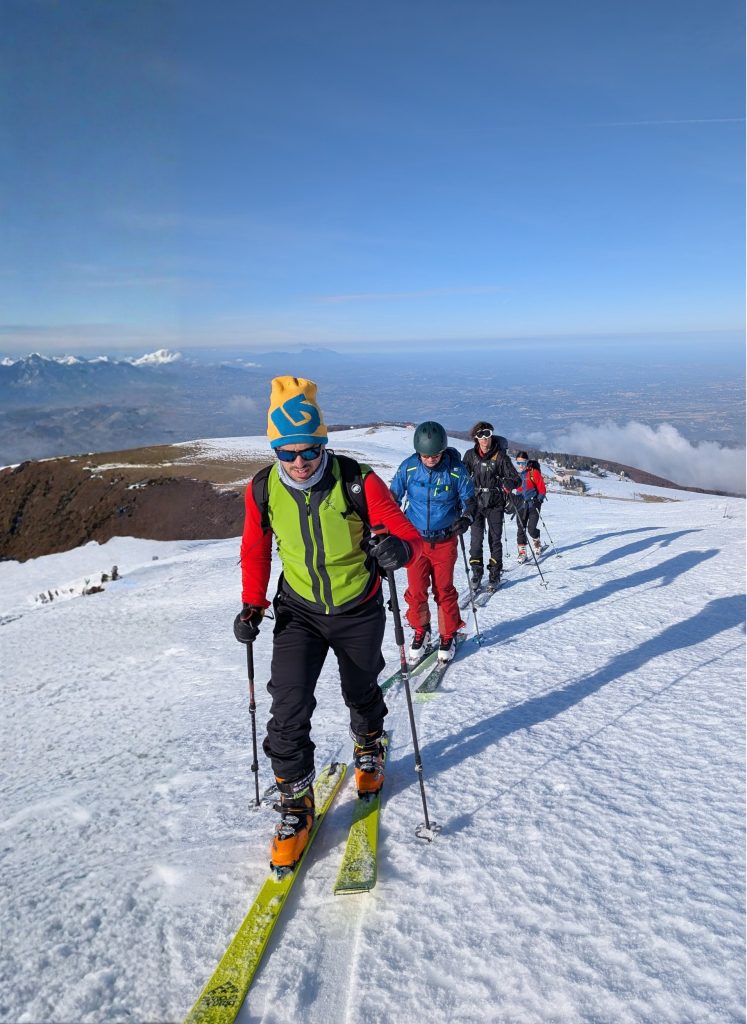
A weekend to try ski touring in a controlled setting: the essential moves for the climb, ski technique and your first taste of snow away from the pistes.
Scheduled20–21 February 2027
Beginner-friendly
per person€170
Avalanche companion rescue
Transceiver, shovel and probe lab
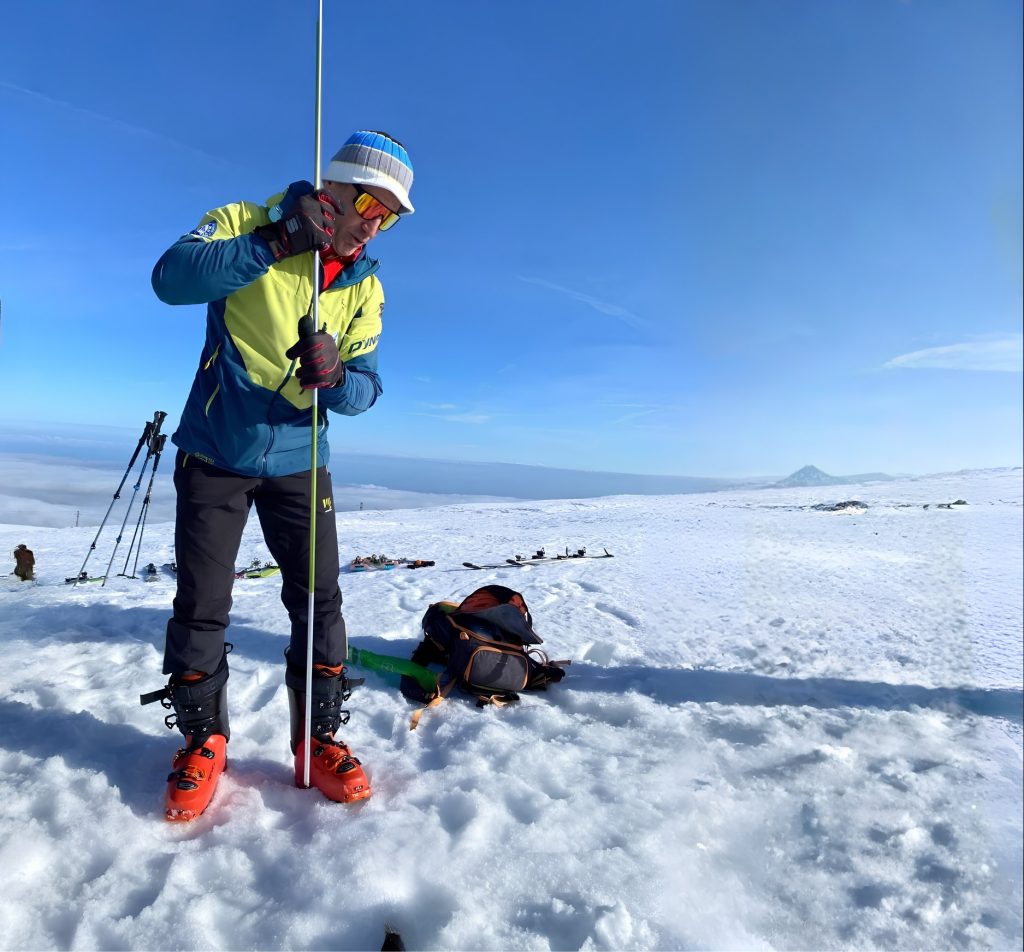
A lab to turn doubts into reflexes: transceiver, shovel and probe, until searching becomes a quick, orderly routine.
Beginner-friendly
per person€80
The line
Freeride lab
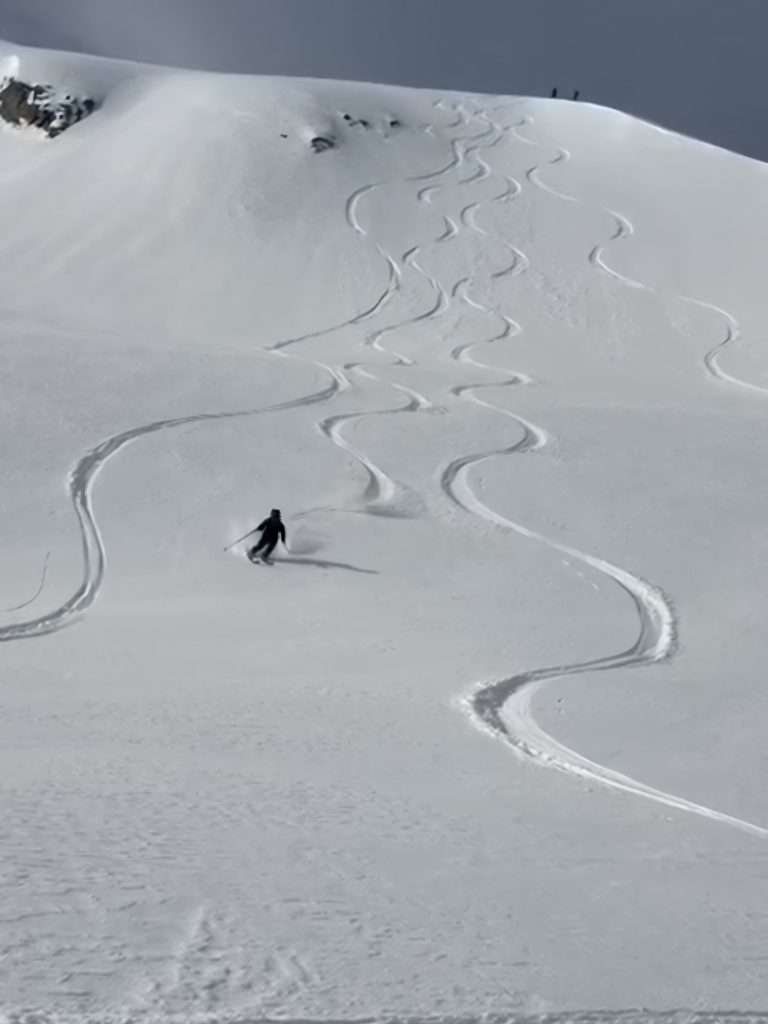
Two days devoted to off-piste skiing, using the lifts to work on ungroomed snow and on your awareness of the winter mountains.
Scheduled22–23 February 2027
Beginner-friendly
per person€240