Learning a rope technique is a start. Knowing when and how to use it is another matter.
A course can teach you a technique. An experience can put you in a new situation. A climb can show you something you can’t handle yet.
But becoming more independent in the mountains takes time, practice and, above all, the ability to piece together what we learn.
That’s where the inAlpe Path comes from: a way of building training and experience over time, starting from what you can already do, where you want to get to and the terrain you want to learn to move through.
The course ends. The learning doesn’t.
Taking a course means gaining tools. It doesn’t necessarily mean being ready to use them independently in any situation.
In the mountains conditions change, the unexpected happens, and what we’ve learnt in a training setting then has to meet reality. That’s why learning doesn’t stop at the basics: it can carry on with new skills, more in-depth work, practice and experience.
Knowing how to do it doesn’t yet mean knowing how to handle it.
Not a ladder. A map.
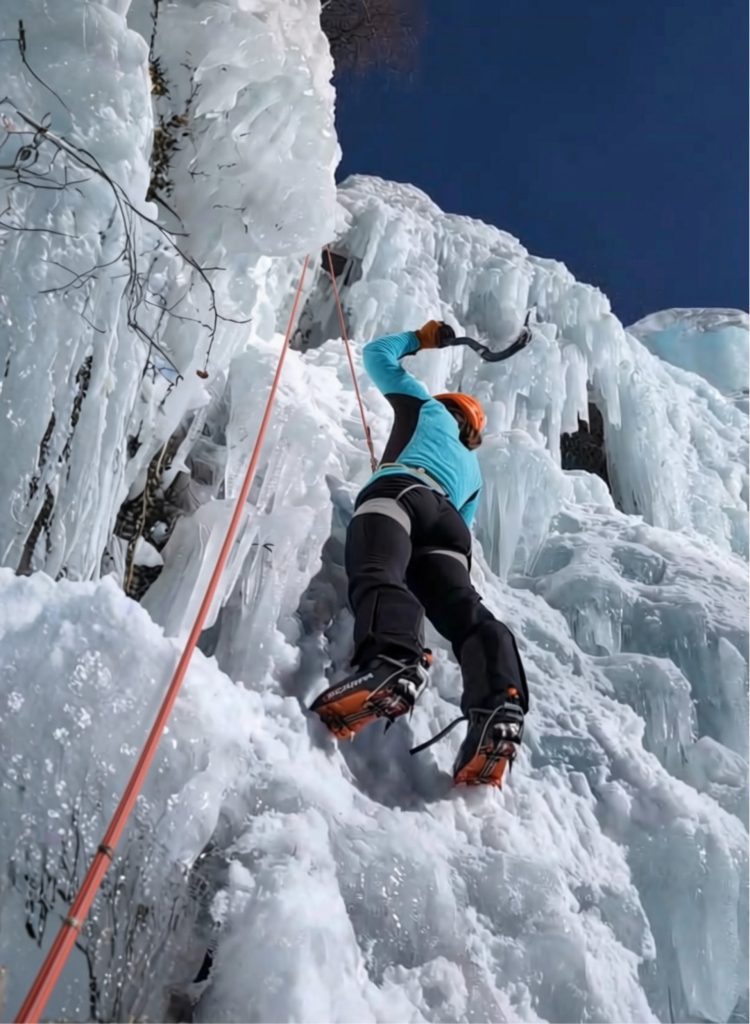
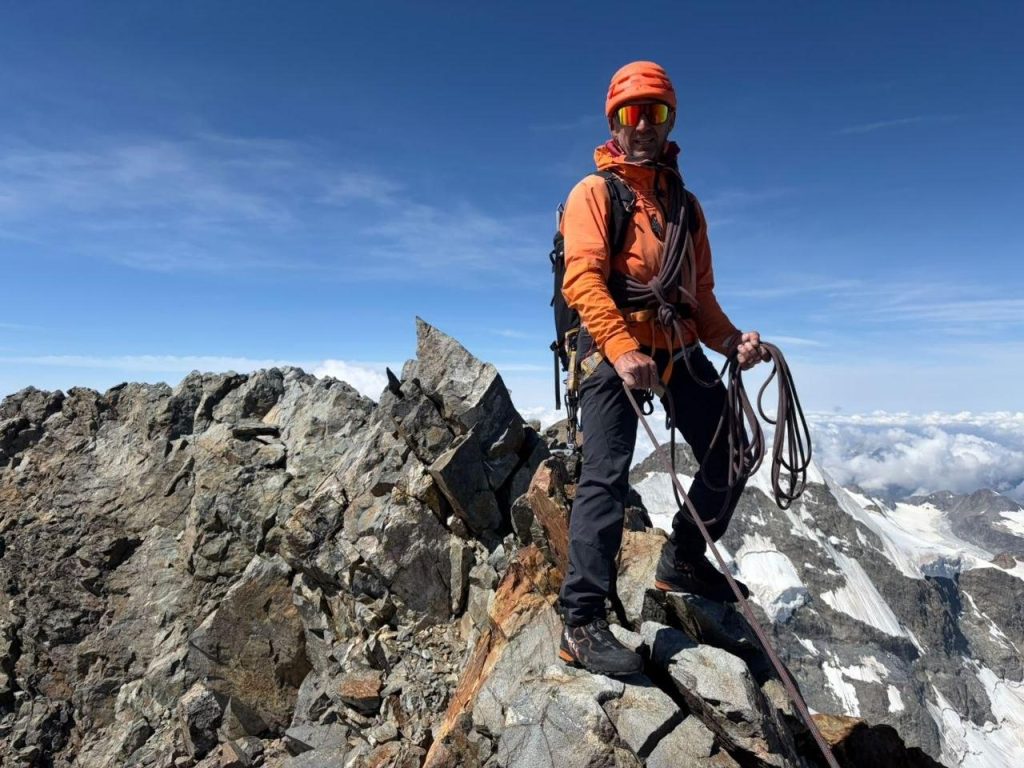
The Path doesn’t necessarily run in a straight line. You might have plenty of experience on rock and set foot on a glacier for the first time. Be independent at the crag and need new tools on a multi-pitch route. Move well with crampons and ice axe and still have a lot to build when it comes to managing a rope team.
Your starting point changes with the terrain, your experience and your goal. And skills built on one terrain can turn out to be useful on another too.
Five terrains to explore
They aren’t watertight compartments: they meet, overlap and call for skills that run across several parts of the Path. Each terrain leads to its own learning map.
An activity doesn’t start when we tie into the rope. And it doesn’t end when we untie.
Learning in the mountains isn’t just about spending a day with a Guide. It means arriving knowing why we’re there, taking part in what happens and finding the time to understand what we’re taking home.
Before
Getting to know each other and getting ready
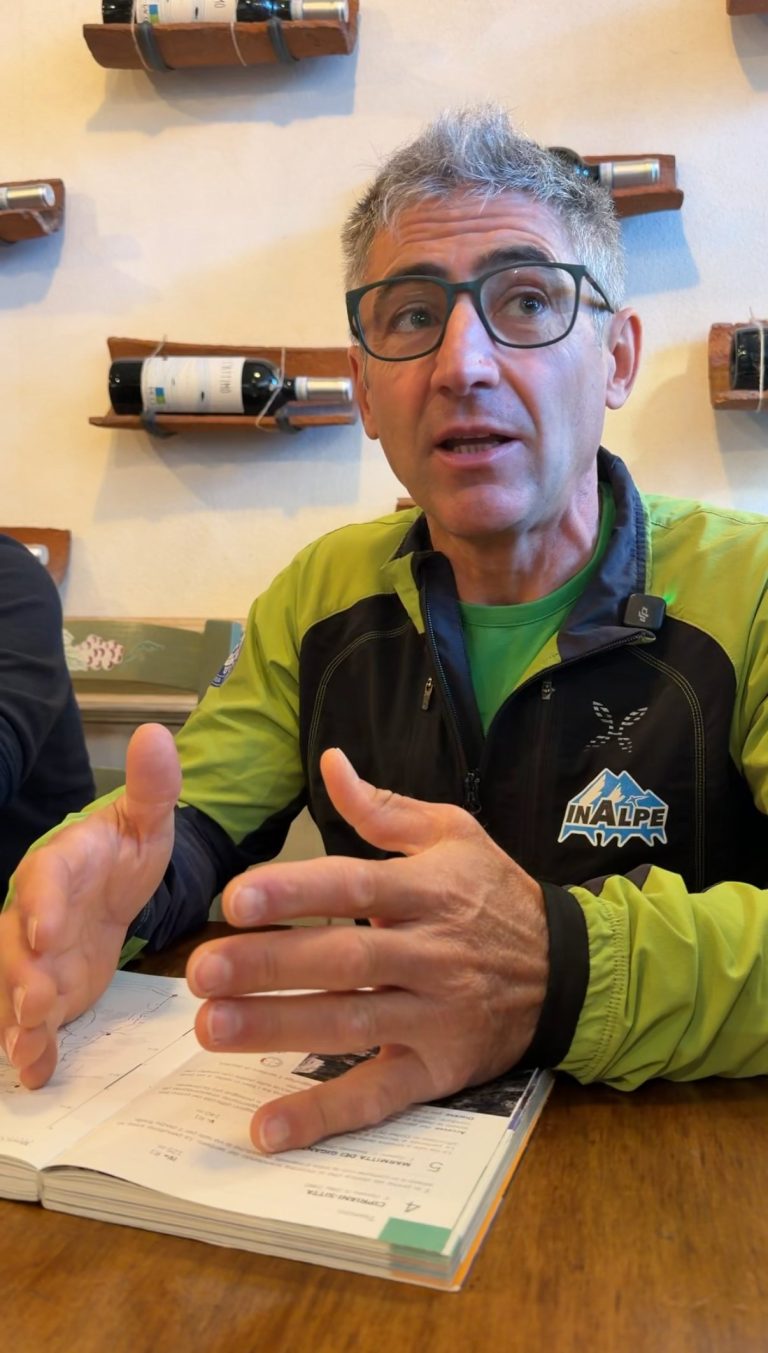
Before choosing an activity, we try to understand where you’re starting from: what you’ve already done, how you move in the mountains, what skills you have and what you’d like to learn. Not to put a label on you, but to find an option that makes sense for you.
And when it’s time to set off, we stop once more: we go through the plan, the goals for the day, the conditions and what to watch out for. Because knowing what we’re going to do matters. Understanding why we’re doing it matters even more.
During
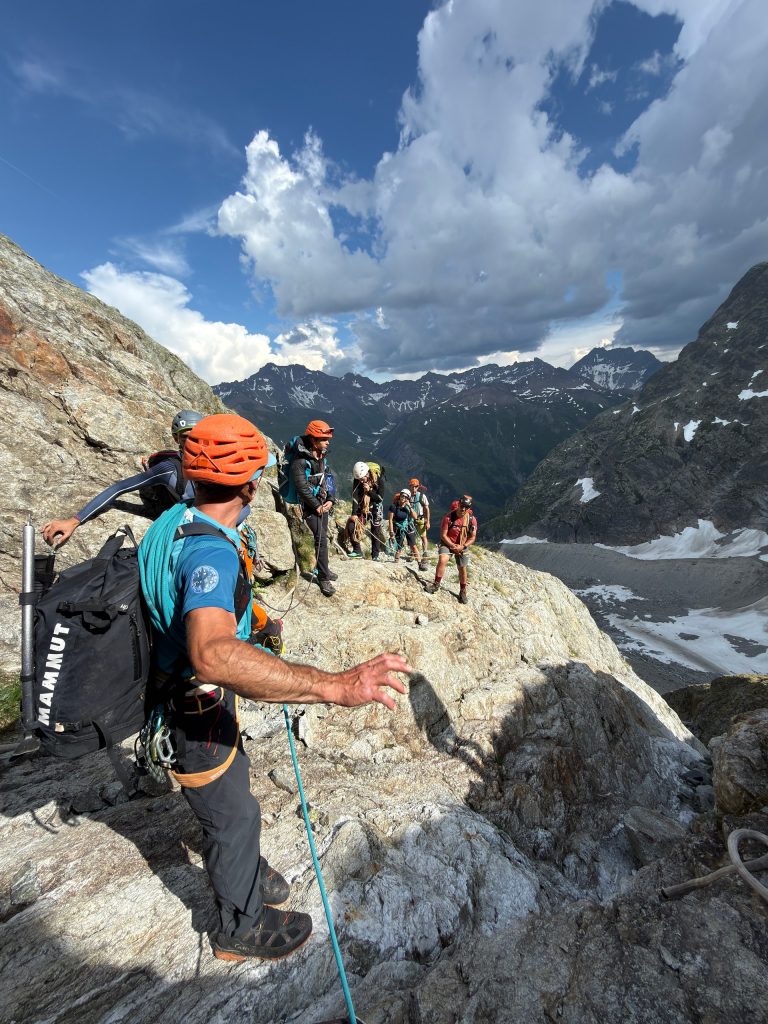
Learning by doing
You watch, you try, you ask questions, you get things wrong and you put them right.
The Guide leads the activity and remains responsible for the technical decisions, but when conditions allow, involves people in the choices, explains what’s happening and leaves room to put into practice what you’re learning.
Not just carrying out a rope technique. Understanding when it’s needed, why it’s chosen and what changes if the conditions change.
After
Stopping, looking back, starting again
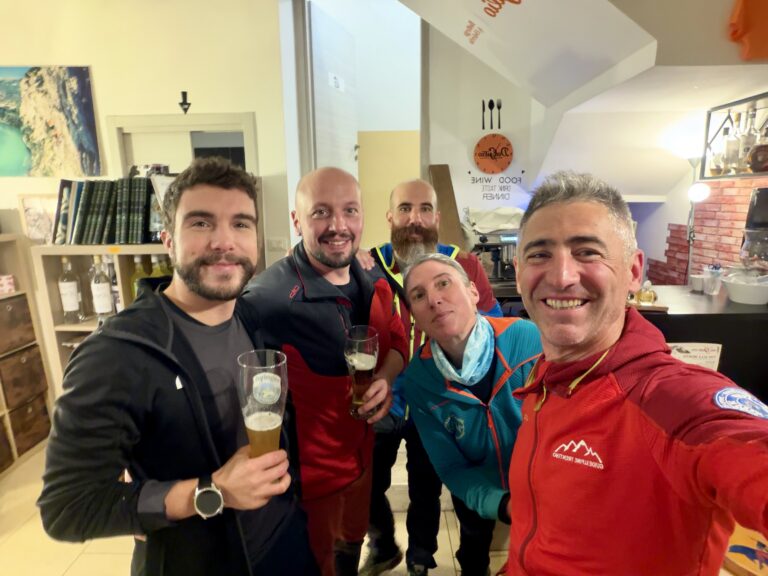
Before we say goodbye, we make time to go back over what happened. Even over a beer, when the day is done and the rope is already in the rucksack.
What worked? What gave us trouble? What did we learn? What could we have handled differently?
And the conversation can carry on in the days that follow. Sometimes that’s exactly when it becomes clear what the next step could be.
What runs through the whole Path
Awareness and responsible decisionsUnderstanding what’s going on and choosing accordingly.
Managing terrain and riskRecognising hazards, conditions and margins, knowing that zero risk doesn’t exist in the mountains.
Rope teamwork and communicationBecause being tied to the same rope isn’t enough to make a rope team.
Adaptability and independenceHaving tools and learning to choose which ones to use when the situation changes.
Respect for the mountains and for peopleFor the environment, your partners, your own limits and the decisions that affect everyone.
Independence doesn’t mean reaching the end.
Independence isn’t a licence, and it doesn’t come at the same moment for everyone. We can be independent on one terrain and not on another. We can know how to handle some situations and knowingly choose a Guide for others.
Being more independent means having more tools to understand, decide and take responsibility for our own choices. It also means recognising when what’s in front of us goes beyond our skills.
Where are you starting from?
You don’t need to know which course to choose yet. Tell us what you do now, how you move in the mountains and where you’d like to get to. We’ll help you work out what the next step on your Path could be.